
In hope of promoting the game further, I just finished up an official website for Avalon Legend with a clearly emphasis on the game and greater explanation of the metaphorical meaning.
Feel free to take a look at it.
http://avalonlegend.blogspot.com/
Wednesday, May 26, 2010

Monday, April 5, 2010
Avalon Legend
MDA-Microsoft XNA Initiative: Team EXYLE : Shooter : Xbox Live Indie Games
12th Annual Independent Games Festival Main Competition Entry: Dream.Build.Play.2009 Entry
Website: http://avalonlegend.blogspot.com/

Reviews
"The trial version of the game is well worth playing, if you like the trial you will definitely enjoy the full game."
"The game is presented well, the tutorials are very helpful and a journal and gallery is included which is unlocked via an award type system such as defeating a number of enemies, gaining scores and using knights."
"Graphically the game is good, the sprites are drawn well and the game copes with a large number of enemies on screen."
- www.gammergeddon.com
(Read the full Avalon Legend review from Gammergeddon.com here.)
"I thought the graphics were simple but effective, and the overall gameplay was fun - I do think the topdown perspective is a good one that more people should use for games. At its heart it's a frantic Geom Wars-style shooter..." - IGF 2010 Judge
"... I did appreciate the frantic pace of the play, and attempts at variation through the different systems..." - IGF 2010 Judge
Synopsis
 Avalon Legend is a metaphorical game that explores the theme of "Loneliness" through the gameplay mechanics, aesthetics, and narrative of the game.
Players take control of Arthur the Exiled in a unique "Single-Player Co-op Experience" where players control 2 characters simultaneously in a fast-paced, top-down "shooter", battle 9 different demons, and unlock secrets to discover the meaning behind Avalon Legend.
Players will be probed to ponder upon the deeper meaning behind the elements in the game and its representations, as every game element is carefully crafted with reference to the central metaphorical overtone.
Aimed to marry white-knuckled, fast-paced gameplay, with a deeper artistic, metaphorical meaning, Avalon Legend aims to appeal to players both viscerally and intellectually.
Key Features
• Innovative Control Scheme:
Avalon Legend is built upon a refreshing and unique control scheme that allows players to control up to 2 characters simultaneously, each one assigned to “one-half” of the controller in a “single-player co-op game.”
• Unique Game Mechanics:
Learn to take control of 2 characters simultaneously over two different modes - Attack Mode and Defence Mode – to cooperatively vanquish enemies in action-packed combat.
• 5 Playable Characters:
As Arthur the Exiled in a post-apocalyptic world, harness the powers of 4 different robotic companions, across 2 different modes for a combination of 8 different play-styles towards striving for the highest score.
• 9 Different Enemies:
Go up against 9 different types of deadly enemies, each with unique behaviour and weaknesses, based upon their metaphorical representations.
• Deep Metaphorical Overtone:
Set with a metaphorical overtone, players will be probed to ponder upon the deeper meaning behind the elements in the game, as both the main character and the player alike embark on their journey toward discovering the meaning of “Avalon”.
• 2 Different Game Modes:
Avalon Legend boasts 2 different Game Modes, in addition to an in-game tutorial, that allow players of different skill levels to pick-up-and-play Avalon Legend, and make it accessible to hardcore and mainstream gamers alike.
• Replayability and Depth:
Strive for the highest score and learn to master the 8 different play-styles as well as utilizing the special abilities of each knight to fully take advantage of the deeper mechanics in the game, such as the “Enemy Weakness System” or the “Health Restoration System.”
• Enchanting Artwork:
Be enthralled by the Stylized 3D Characters locked into an overhead 2D perspective with snazzy effects for that additional dazzle, giving life to the haunting and vacant landscape of post-apocalyptic Camelot.
• Rewards System:
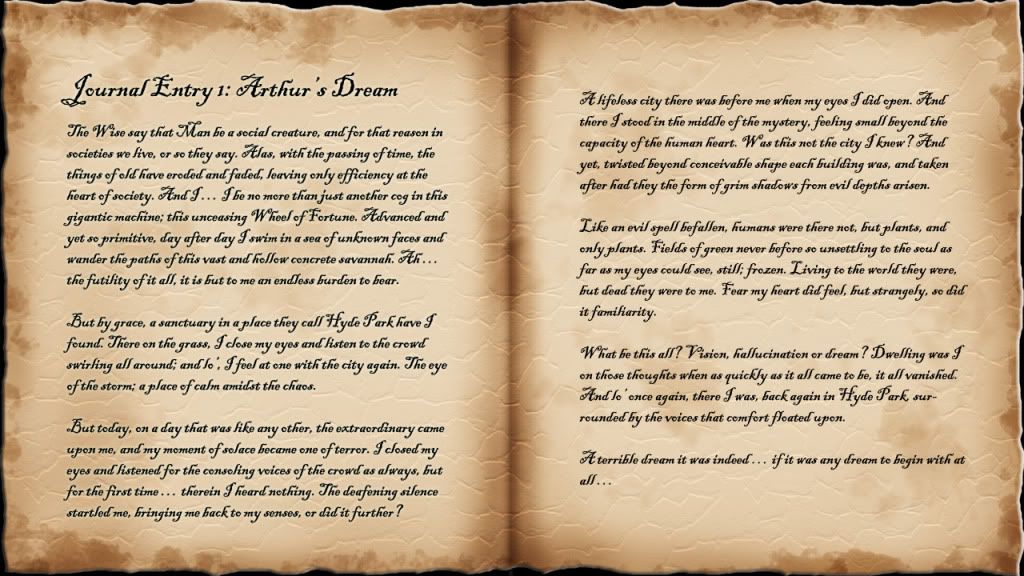
Featuring over 40 rewards unlocked by fulfilling special gameplay conditions. Discover the secret behind the meaning of Avalon Legend through the “Journals” or take the time to view and enjoy the conceptualizations of the different elements in Avalon Legend and find clues towards their metaphorical meanings in the “Gallery”.
Videos
Screenshots
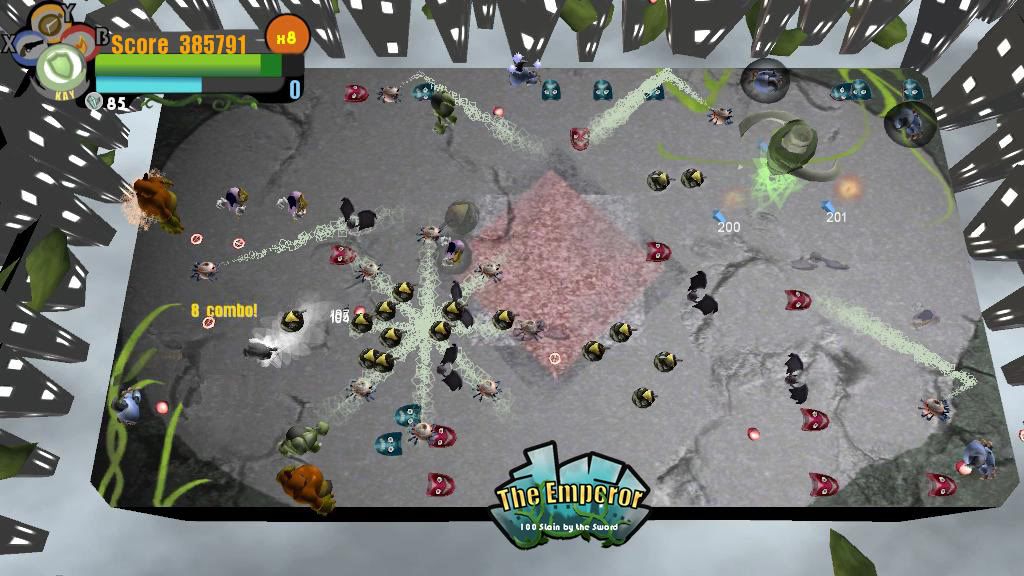
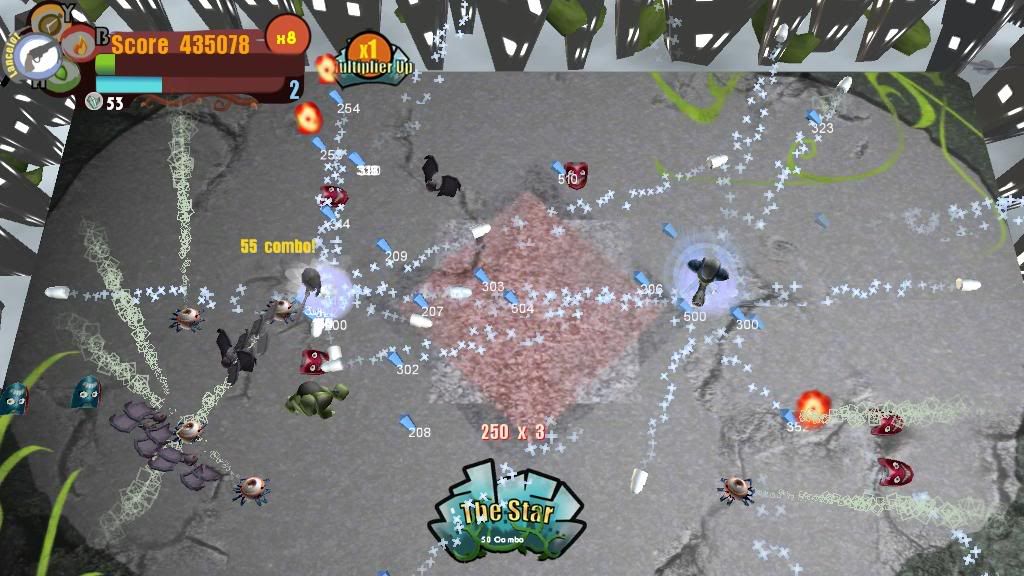

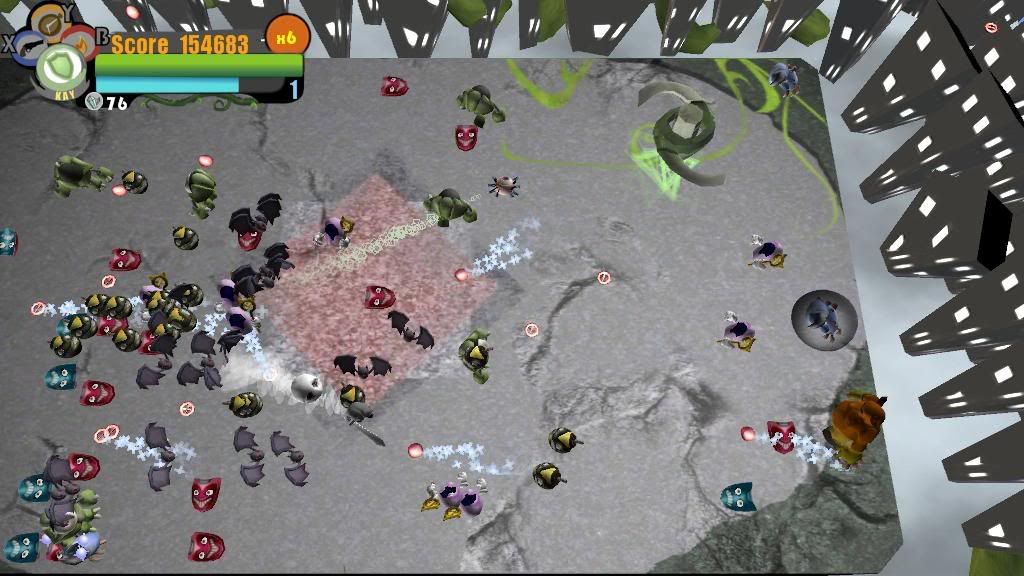
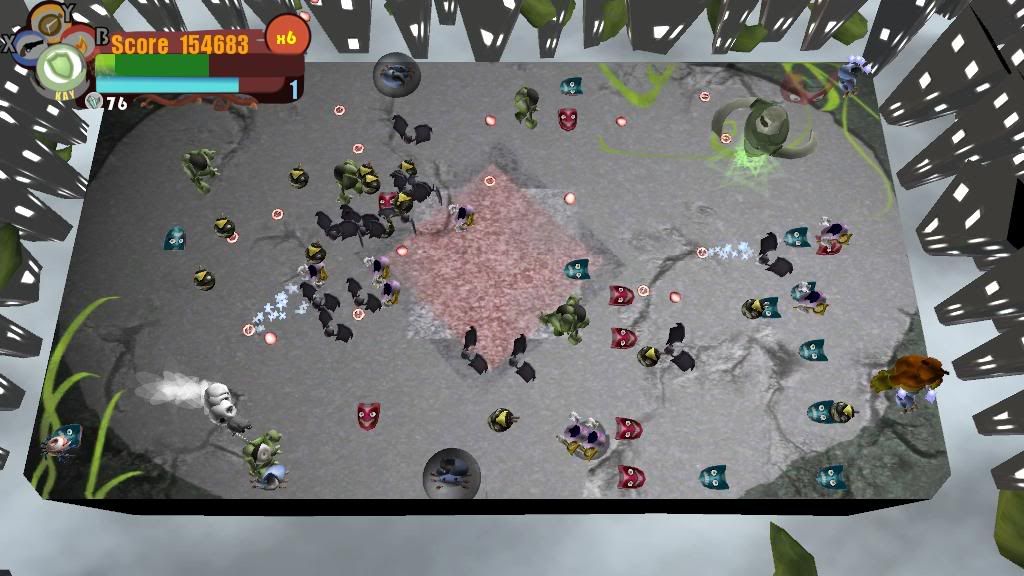

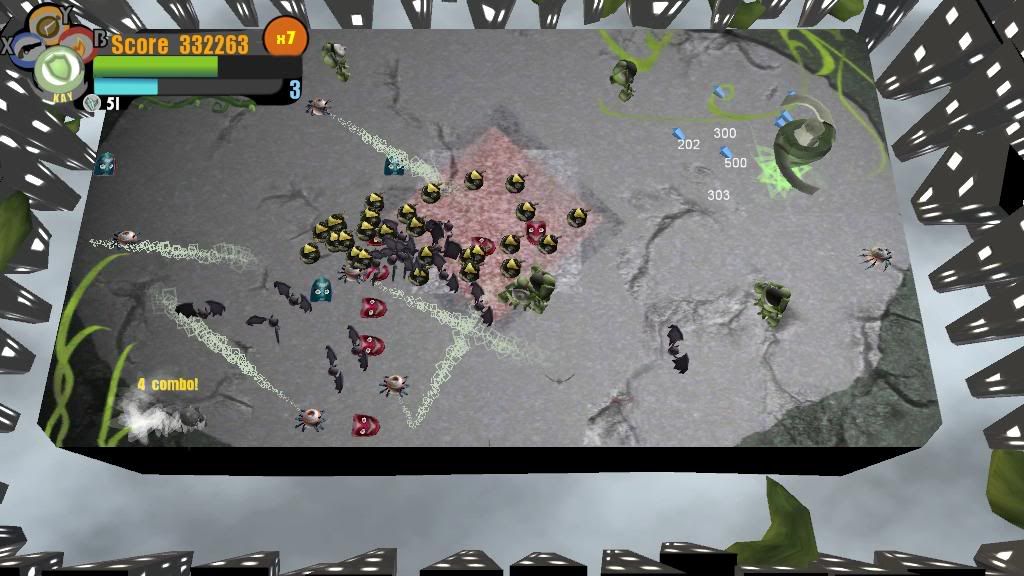
3D Art Assets
Avalon Legend Official Website
Avalon Legend - Xbox Live Marketplace
Avalon Legend Review - Gamergeddon.com
Avalon Legend Review - XBLIGR
Avalon Legend Review - XBLA and XBLIG Ratings
12th Annual Independent Games Festival Main Competition Entry: Dream.Build.Play.2009 Entry
Website: http://avalonlegend.blogspot.com/
Reviews
"The trial version of the game is well worth playing, if you like the trial you will definitely enjoy the full game."
"The game is presented well, the tutorials are very helpful and a journal and gallery is included which is unlocked via an award type system such as defeating a number of enemies, gaining scores and using knights."
"Graphically the game is good, the sprites are drawn well and the game copes with a large number of enemies on screen."
- www.gammergeddon.com
(Read the full Avalon Legend review from Gammergeddon.com here.)
"I thought the graphics were simple but effective, and the overall gameplay was fun - I do think the topdown perspective is a good one that more people should use for games. At its heart it's a frantic Geom Wars-style shooter..." - IGF 2010 Judge
"... I did appreciate the frantic pace of the play, and attempts at variation through the different systems..." - IGF 2010 Judge
Synopsis
“Combine and Control two characters simultaneously in a post-apocalyptic abstraction of the King Arthur Legend with a haunting metaphorical overtone.”
 Avalon Legend is a metaphorical game that explores the theme of "Loneliness" through the gameplay mechanics, aesthetics, and narrative of the game.
Players take control of Arthur the Exiled in a unique "Single-Player Co-op Experience" where players control 2 characters simultaneously in a fast-paced, top-down "shooter", battle 9 different demons, and unlock secrets to discover the meaning behind Avalon Legend.
Players will be probed to ponder upon the deeper meaning behind the elements in the game and its representations, as every game element is carefully crafted with reference to the central metaphorical overtone.
Aimed to marry white-knuckled, fast-paced gameplay, with a deeper artistic, metaphorical meaning, Avalon Legend aims to appeal to players both viscerally and intellectually.
Key Features
• Innovative Control Scheme:
Avalon Legend is built upon a refreshing and unique control scheme that allows players to control up to 2 characters simultaneously, each one assigned to “one-half” of the controller in a “single-player co-op game.”
• Unique Game Mechanics:
Learn to take control of 2 characters simultaneously over two different modes - Attack Mode and Defence Mode – to cooperatively vanquish enemies in action-packed combat.
• 5 Playable Characters:
As Arthur the Exiled in a post-apocalyptic world, harness the powers of 4 different robotic companions, across 2 different modes for a combination of 8 different play-styles towards striving for the highest score.
• 9 Different Enemies:
Go up against 9 different types of deadly enemies, each with unique behaviour and weaknesses, based upon their metaphorical representations.
• Deep Metaphorical Overtone:
Set with a metaphorical overtone, players will be probed to ponder upon the deeper meaning behind the elements in the game, as both the main character and the player alike embark on their journey toward discovering the meaning of “Avalon”.
• 2 Different Game Modes:
Avalon Legend boasts 2 different Game Modes, in addition to an in-game tutorial, that allow players of different skill levels to pick-up-and-play Avalon Legend, and make it accessible to hardcore and mainstream gamers alike.
• Replayability and Depth:
Strive for the highest score and learn to master the 8 different play-styles as well as utilizing the special abilities of each knight to fully take advantage of the deeper mechanics in the game, such as the “Enemy Weakness System” or the “Health Restoration System.”
• Enchanting Artwork:
Be enthralled by the Stylized 3D Characters locked into an overhead 2D perspective with snazzy effects for that additional dazzle, giving life to the haunting and vacant landscape of post-apocalyptic Camelot.
• Rewards System:
Featuring over 40 rewards unlocked by fulfilling special gameplay conditions. Discover the secret behind the meaning of Avalon Legend through the “Journals” or take the time to view and enjoy the conceptualizations of the different elements in Avalon Legend and find clues towards their metaphorical meanings in the “Gallery”.
Videos
Avalon Legend Official Trailer
Avalon Legend DreamBuildPlay 2009 Trailer
Screenshots
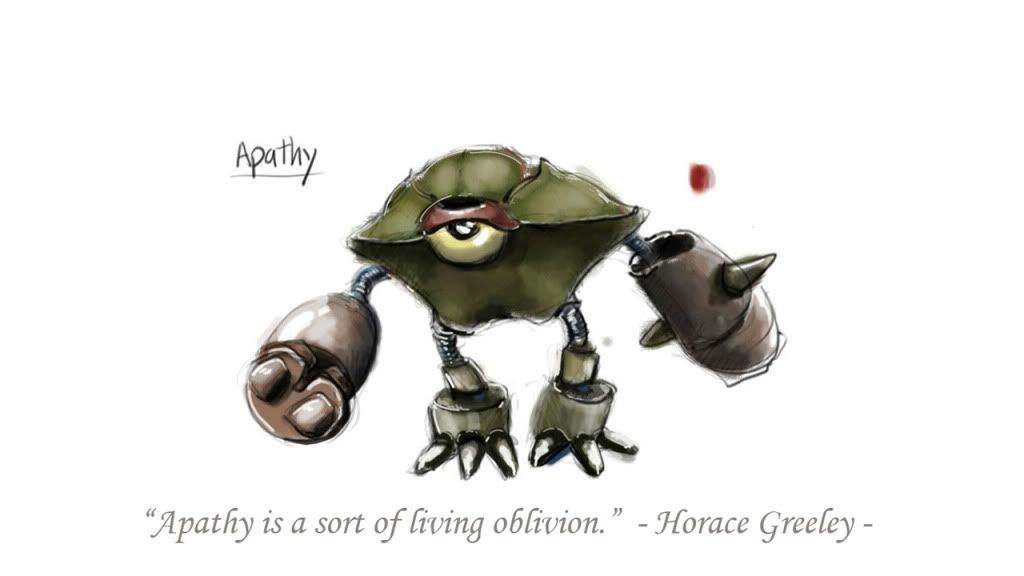
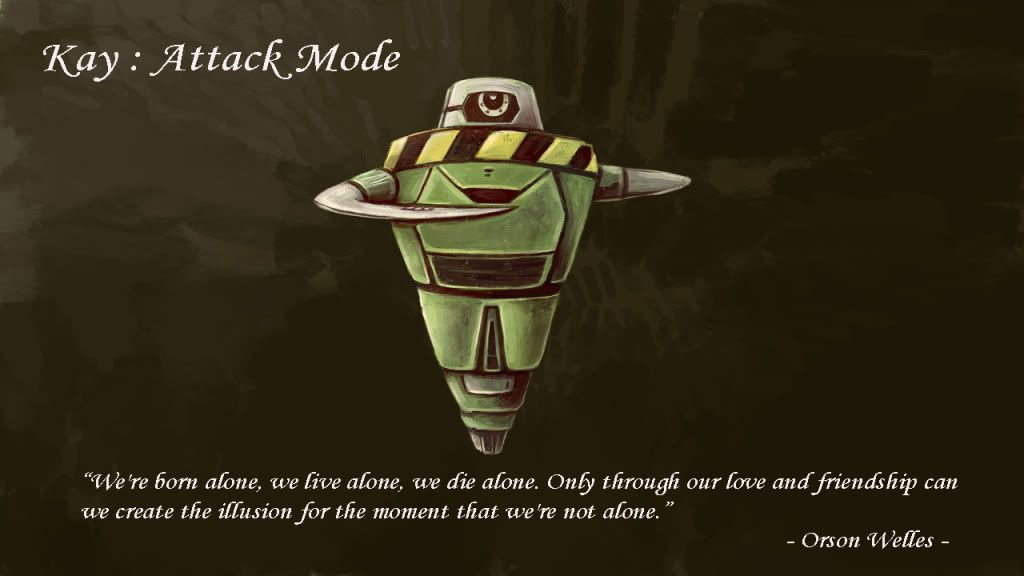
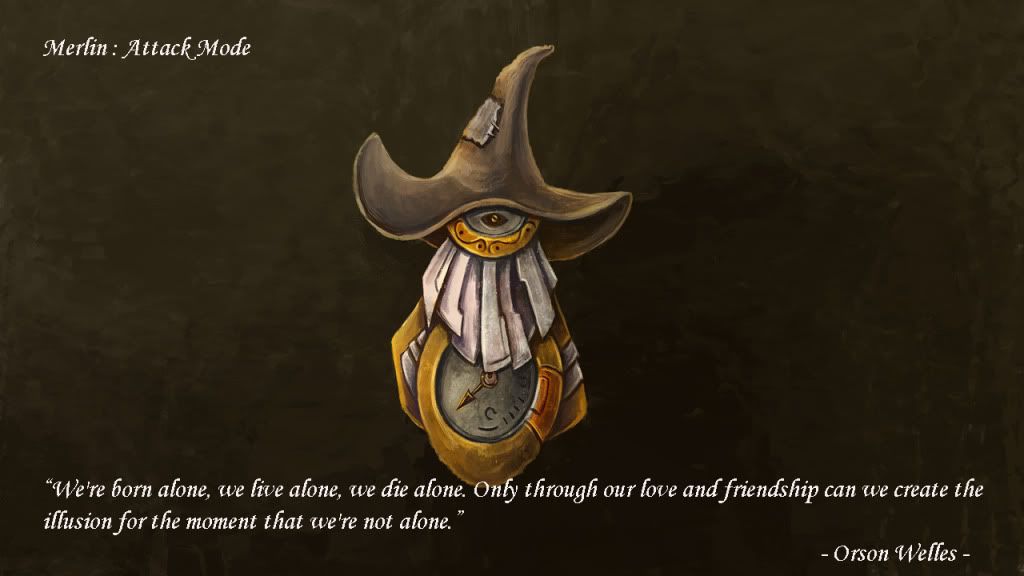
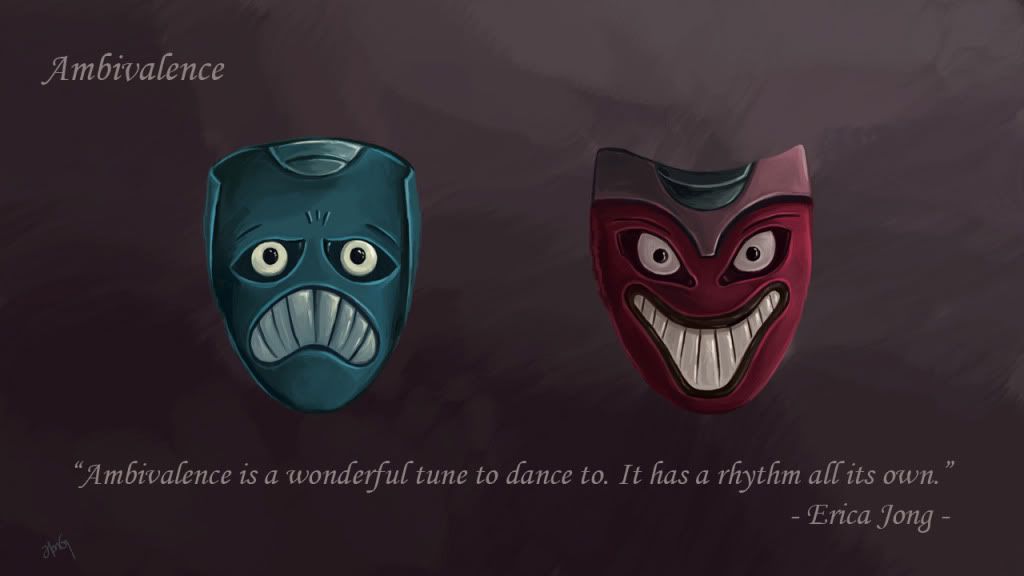
Concept Art
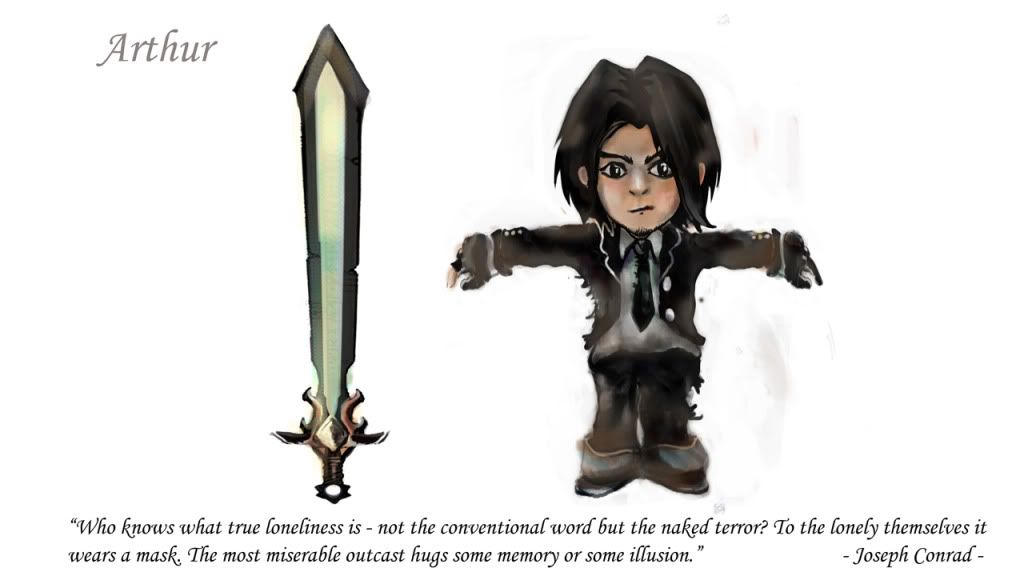
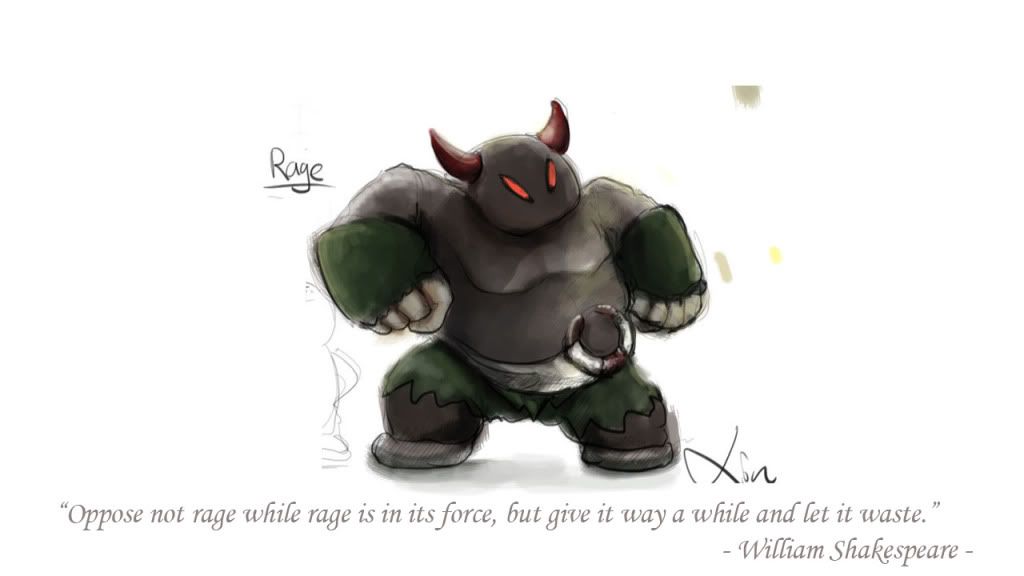



3D Art Assets
3D-Models Preview
Game Story
Websites
Avalon Legend Official Website
Avalon Legend - Xbox Live Marketplace
Avalon Legend Review - Gamergeddon.com
Avalon Legend Review - XBLIGR
Avalon Legend Review - XBLA and XBLIG Ratings
Fire(f)Lies
Global Game Jam 2010 : Indie / Gamemaker : PC

Synopsis
“Do not bite at the bait of pleasure, till you know there is no hook beneath it.”- Thomas Jefferson -
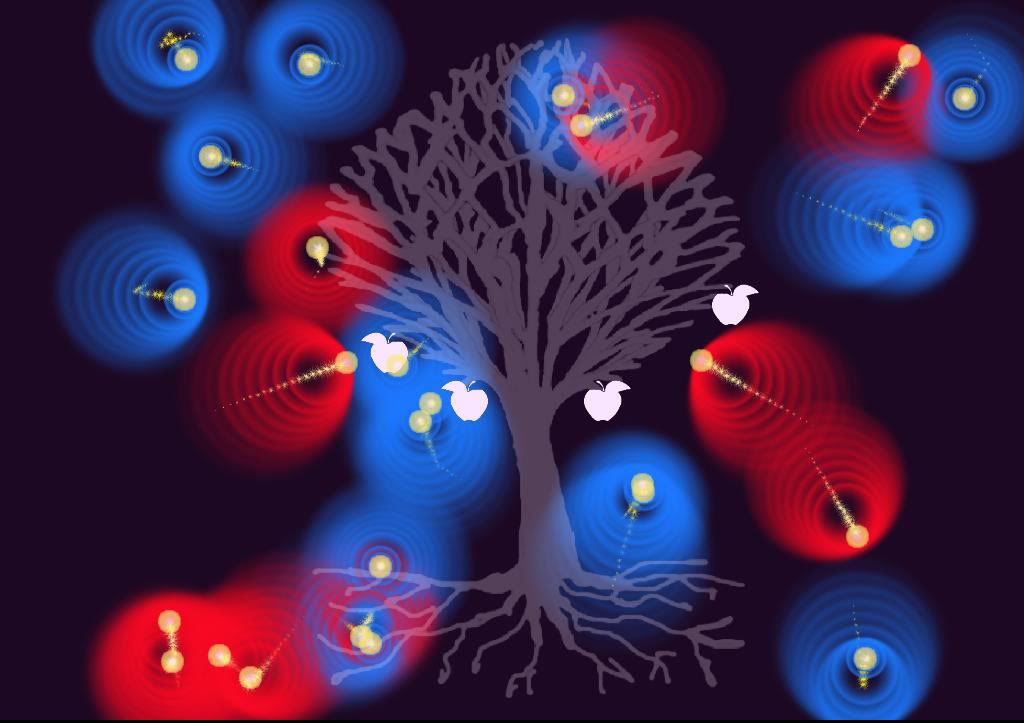
From concept to completion in a span of 48 hours at the Global Game Jam (GGJ) 2010, Fire(f)Lies is an audio-visual gameplay experience where players must depend on precision, observation and memory to decipher between two different species of Fireflies.
Centred around the jam's theme of "Deception", Fire(f)Lies is presented in an explorotary manner that encourages players to explore the game's mechanics and artistic meaning.
Fire(f)Lies also managed to fulfill the "Take Five Game" and "Lo-Text Game" achievements.
Video
Screenshots


Thursday, September 24, 2009
30 Seconds of Fame
Lighting strikes at the same place twice.
Don't think I am eligible to win a subscription for my next lifetime, though.
http://www.gamasutra.com/php-bin/news_index.php?story=25059
And, make that trice. Funny how the same post gets featured for 2 weeks straight...
http://www.gamasutra.com/php-bin/news_index.php?story=25060
Don't think I am eligible to win a subscription for my next lifetime, though.
http://www.gamasutra.com/php-bin/news_index.php?story=25059
And, make that trice. Funny how the same post gets featured for 2 weeks straight...
http://www.gamasutra.com/php-bin/news_index.php?story=25060
Tuesday, September 15, 2009
15 Seconds of Fame
It may not be the lottery, but winning something sure feels good - not to mention the validation that comes along with it.
Featured in Gamasutra: http://www.gamasutra.com/php-bin/news_index.php?story=25058
Featured in Gamasutra: http://www.gamasutra.com/php-bin/news_index.php?story=25058
Wednesday, July 22, 2009
Take-Out: Castle Crashers
I completed Castle Crashers (XBLA) over the weekend with my girlfriend. What's interesting is that when I played the demo with my brother earlier this year, I wasn't entire sold on it, and didn't think it justified a purchase.
But after hearing that it was the No.1 selling Xbox Live Arcade (XBLA) game, I just had to check it out, and try to find out exactly what the hell makes it so popular.

And so I mashed, and tapped, and madly rotated my stick occasionally, before finally laying the smackdown on that wizard guy. But more important that kissing the Princesses, is that I managed to take-away some Food-for-Thought from my weekend experience.
What I took away was this: that the success of the game had very much to do with the game meeting the expectations for the type of game distributed on a platform such as XBLA, or perhaps, even across almost the entire Digital Download scene.
The Top 5 reasons that I think made Castle Crashers strike a resonating chord on XBLA are:-
1) Casual-ness
Above all, Castle Crashers is a casual game, something that is so easy to pick-up-and-play, in long or short bursts; and perhaps this says a bit of the profile of the target audience of XBLA - to provide slightly more casual affairs in conjunction to the hardcore-boxset experience.
2)Accessibility
The game is extremely accessible - no hardcore combo memorization or the like. Button-mashing can get you pretty far. Basically, this means that almost anybody can just pick it up and play, and still have a decent amount of fun with it.
3) Multiplayer Mayhem
Perhaps the biggest sell-through factor for the game, the frantic (and perhaps nostalgic) experience of working together and occasionally against other players, in a tried-and-tested genre that almost anyone can appreciate.
Put this together with Point #2, and you have an ideal party game that non-gaming friends or girlfriends can partake in. For the more hardcore gamers, Castle Crashers would probably be a game to occupy their hands and the occasionally silence while they chat and catch up on their lives or other unimportant stuff.
4) Quirkiness / Personality
Even though the game has ARPG elements like Guardian Heroes (SS), the gameplay hardly carries the same amount of depth. But what Castle Crashers lacks in depth, it more than makes up for it in Personality.
From it's distinctive "Flash-game" graphics to it's humour-laden levels and bosses, almost every minute of Castle Crashers oozes personality, regardless of the gameplay. It's definitely not hard not to at least chuckle at some of the crazy things that happen in the game, like the profusely-shitting animals, for example.
5) Replayability
With multiple characters to unlock, different animal orbs to find and weapons to experiment with, Castle Crashers is a game that is choked-full of excuses in revisiting. True, the levels and bosses are always the same with each playthrough, but it's multiplayer alone already gives the game it's own 2 legs in terms of replayability.
For everything else, they just tend to serve as icing on the cake; any additional incentives provided, no matter how minute, gives the seasoned-player an additional reason to sit through the game "just one more time" with a new group of friends - and perhaps even spur people to convince more of their friends to get the game to join in the fun, amounting to it's current success.
All in all, I think that the underlying point is that people expect very different things coming out of a full-priced boxset game and a smaller, indie-developed, digitally-distributed game like Castle Crashers. It has come to a point that the market has enough space for both type of games, and perhaps now, more so than ever, it is important to profile and pander towards that different set of expectations.
Thursday, April 23, 2009
Design Analysis: Resident Evil 5 Times Over

About a month ago, I finally shelved Resident Evil 5, after a very whooping 5 back-to-back playthroughs. First playthrough on "Amateur", then going back to "Amateur" to get S rank for all levels, then finishing the game on "Hard" (with Infinite Rocket Launcher), then finishing the game on "Professional" (battling through occasionally bafflingly-stupid AI), before finally finishing a co-op game on "Normal" with my girlfriend (which proved a very different and entertaining experience thanks to my partner-in-crime).
What's surprising is... this is the first time that I played through a Resident Evil game more than once after beating it. However, what's even more surprising is... Resident Evil 5 is not even my favourite Resident Evil game. So, why did I drag my ass through the same game so many times then?
Before I go into answering that question, let me go into some of the reasons why I wasn't as blown away with the latest instalment as I was with the last few entries in the series, particularly Resident Evil 4.
------------------------------------------------------------------------------------------
Resident Evil vs. Resident Evil
Before anything else, I know that a ton of people have said that Resident Evil 5, while being a good action game, doesn't feel like Resident Evil anymore; and I have to say that I completely and utterly agree with this statement.
Even though the control scheme and viewpoint were adopted and evolved from the revolutionary series entry that was Resident Evil 4, the gameplay scenarios in which these controls are employed are totally different; I mean c'mon, a "Cover System" (a la Gears of War) in a Resident Evil game, never saw that coming.


Back-to-back, Literally
But the biggest lost in transition for me in Resident Evil 5 has to be in terms of the atmosphere. The Resident Evil games have always been more about the creation of atmosphere and ambience, and the sense of tension that results from that. Even with the redesigned controls in Resident Evil 4, the game still managed to hold its own in this regard.
Gone and missed are the gloomy, cloudy and occasionally intentionally claustrophobic environments of the past Resident Evils, only to be replaced by a bright African town depicted in broad daylight for a good quarter of the game. The perpetual presence of a partner also takes a lot away from the fear factor of the game's settings, and making her powerful enough to hold her own doesn't help either, when it comes to this.
I understand that Resident Evil 5 tries to create the tension through a different gameplay lens, by making the zombies faster, more aggressive, smarter and deadlier, and focusing towards the tension and excitement through the action-oriented gameplay; as opposed to the reliance of tension-induction through setting and atmosphere as in the past games. But personally, without the atmosphere, Resident Evil just doesn't feel like Resident Evil anymore.


Perhaps Less is More in this case
Through its own merits, Resident Evil 5 is a good action game, and the co-op factor is a welcome addition as well (if you minus the occasional hiccups in the AI). But in the evolution of the series, I would have much preferred Capcom to actually have used the current-gen technology to create a better atmosphere with all the smokes and mirrors of today, and ride on the original essence of the series, rather than evolving it a little too far from its roots.
-----------------------------------------------------------------------------------------
Through the Grindmill: When Play feels like Work
So going back to the question at hand: Why would I play a game that is relatively less stellar 5 times while leaving more stellar games to sit comfortably on the shelf after one playthrough? If it has to come down to one thing, then it has to be: Achievement Points.
http://www.gamespot.com/

Resident Evil 5 is a rather tricky case. The game itself is actually very replayable. However, stretch that replayable-fun-factor over 5 playthroughs of the linear structure of the game, and the entire experience straddles the thin line between work and play at times - especially on "Professional Mode", where I saw Sheva stand right next to me and refusing to rescue me on multiple occasions.
If playing through the game itself was work, then the Achievement Points acquired at the end of the day probably felt like a fat paycheck. In my opinion, Achievement Points are actually glorified bragging rights that you can actually validate and verify, unlike in the old days that people mostly took your word for it when you tried to prove to them how hardcore you were. But the deeper implication of Resident Evil 5's case told me a little more about the power and influence of this new-found "glorification" and also a little something about my own gaming habits.
Firstly, let me say this out straight, I am NOT an Achievement Whore. While I do try my best to acquire as much as I can to prove myself, I am not the kind that will go about buying Avatar just to get 1000 points in 10 minutes. For me, the Achievement Points are a way to create an enjoyable meta-game around the game, and I will do it as long as I find it at least somewhat, bearably fun - which often takes into account the time, fun factor and potential reward in trying to achieve them.
This in itself is a little nostalgic, as it reminds me of the times when I was a kid. I had a lot less games to play, I and would grind and try to set up these challenges for myself for bragging rights among my friends (I had a promoted Level 37 Adam and Bleu in Shining Force). But as I grew older, and as I built a much bigger library of games than I actually had time for, I started to try to finish the games I had to a "justifiable" level - this being subjective of course, but often was taken as completing the game and seeing all the stages / missions / bosses possible in a single playthrough.
 Grinding Force: Till the Enemies were worth 1EXP each
Basically, under this "justifiable" rule, the basic instinct was to shelf a game when the game was relatively less gratifying in itself once the logical or reasonable ending was reached. But with Achievement Points, I found myself doing things that were a lot less gratifying in themselves, but still did them anyway as I knew that there was a reward at the end of it.
And the power of the reward to me, comes from 2 factors. 1 of which is mentioned, being able to show-off said Achievements to the world, but the other factor is because of the fact that these Achievements are developer set, there is a greater and more universal level of recognition and "certification" that people agree on and gives rise to a greater sense of pride in obtaining them. I personally think that Achievements have come so far that they have become an artful balancing act or perhaps a bit of a tug-of-war between the gaming community and the developers.
------------------------------------------------------------------------------------
The Power to Shift Paradigms
One weird effect that I questioned in my gaming habits were the change in my "Bartle Test" results. I always thought of myself more of an "Explorer" - I remembered that the thing I liked most about The Legend of Zelda: Ocarina of Time, was exploring the world of Hyrule and discovering all its little secrets. In fact, I attributed my preference towards exploration as the reason for it being my favourite game, because I enjoyed that sense of amazement and discovery as I journeyed and explored someone else's world.
 Ocarina of Time - The Vastness of Exploration
I kind of knew that I was partially an "Achiever" as well, considering my self-proclaimed hardcore-ness and all, and just wanted to prove to myself (and perhaps to others as a secondary audience), that I could do certain things in the games that I play (like my 2.7 million Geometry Wars score, for example - that's hardcore).
 Bartle Chart
However, in recent months, I really find myself questioning if my type has shifted, as now, when I play an Xbox360 game, I seem to have developed a stronger threshold for the repetition of gameplay and levels if there was a reward at the end, as compared to trying to take all the time I need to find explore and discover the game world.
Perhaps this is another issue altogether, on whether I personally find the game worlds these days to be becoming too large for a comfortable pace of exploration without feeling lost for more than half of the game, knowing that you are barely scratching the surface, like in Fallout 3 or in The Elder Scrolls: Oblivion.
But what I do know is that Achievement Points are here to stay, and the dilemma of trying to decide between gratification and accomplishment will only continue to haunt me as long as I give a damn about them.
Pictures Courtesy of:
Gamespot:
Subscribe to:
Posts (Atom)
.JPG)